10 Facts About Bourgogne Wine
In paid Partnership with Feeling Bourgogne
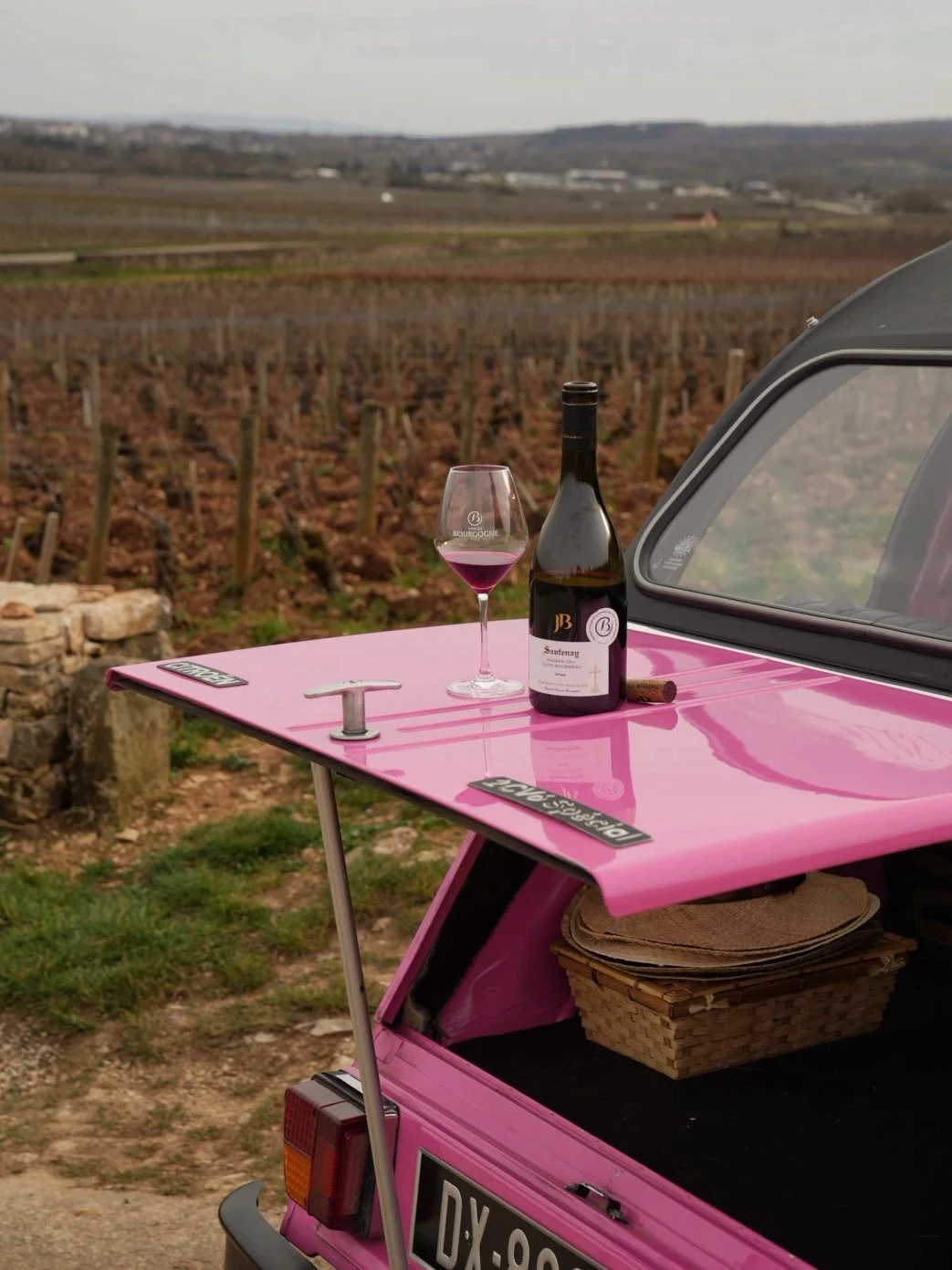
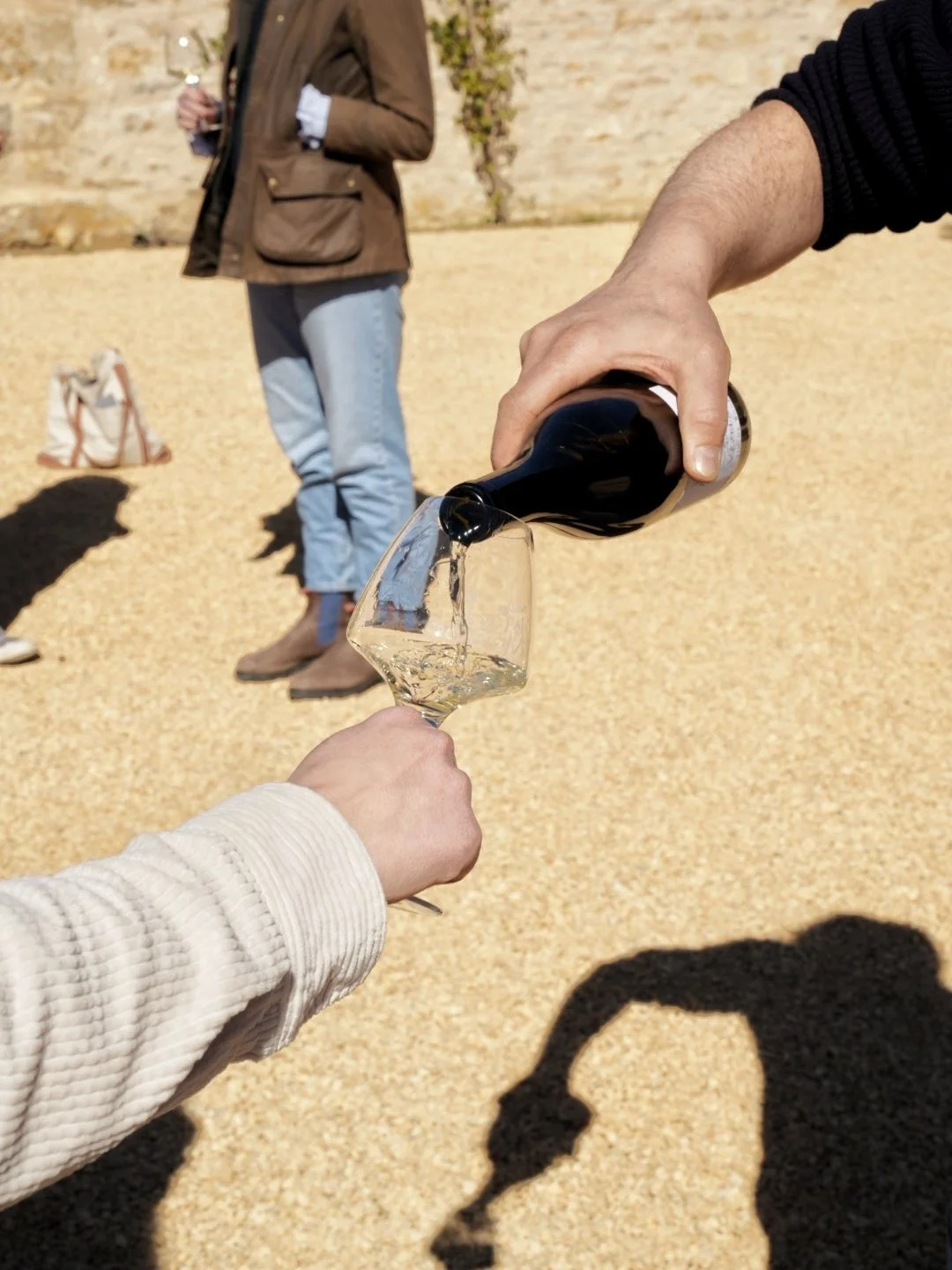
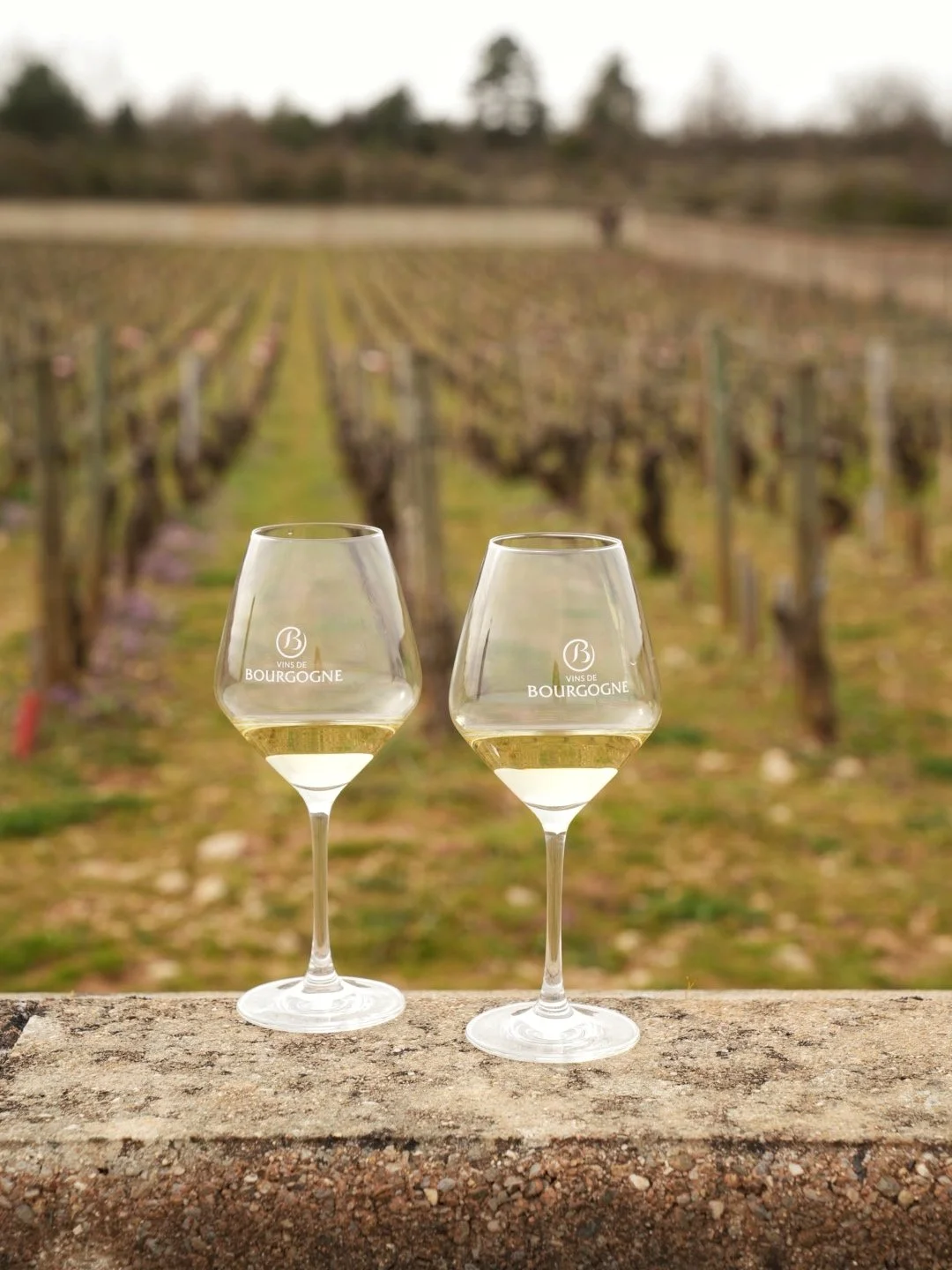
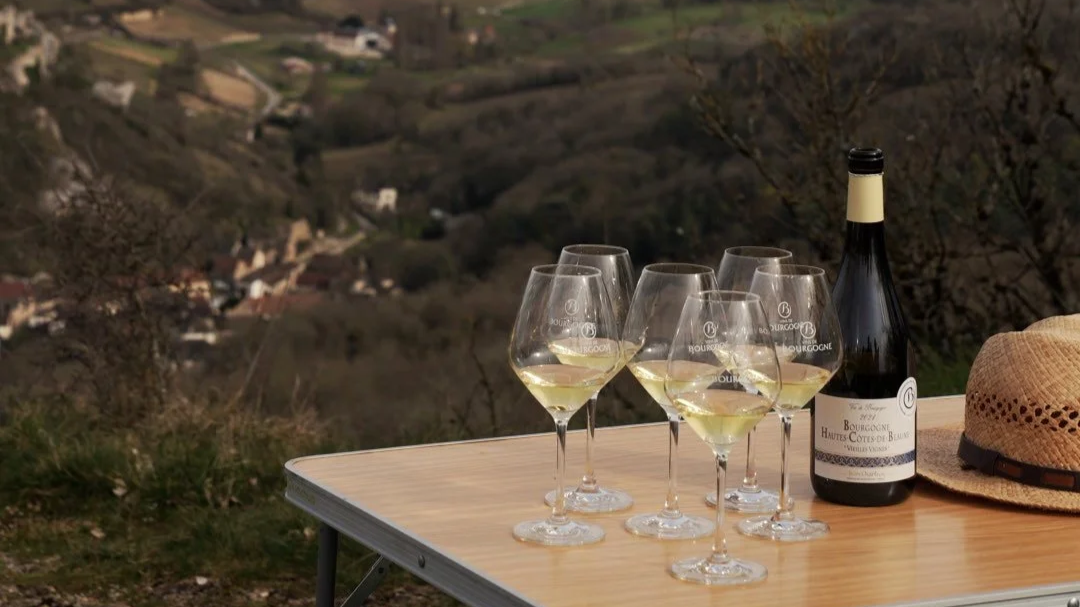
Before arriving in Bourgogne, I already knew how admired its wines are among English drinkers - symbols of French terroir with a reputation that borders on legendary. Yet for all that fame, there’s still a cloud of misunderstanding around them: people often assume Bourgogne wines are too expensive, too rare, or too complex to truly grasp. I wanted these three days to show me what lies beyond the myth.
Our first stop was Chablis, a quiet village surrounded by sweeping Chardonnay vineyards. Despite its global prestige, Chablis feels refreshingly down-to-earth - stone houses, friendly tasting rooms, and none of the intimidation you might expect from a region known for some of the world’s most elegant whites.
A guide took us for a tour and tasting of three Chablis types: Petit Chablis, Chablis, Premier Cru. She talked more about the limestone soils and notes than about status or price, reminding me that in Bourgogne, wine is first and foremost an expression of place. Each sip made the region feel more accessible than its reputation suggests.
Next up was Beaune—the energetic heart of Bourgogne and the beginning of deeper exploration into its iconic vineyards. And here what I learned in the region.
1. Travelling in Bourgogne comes with wines, amazing wines!
2. Yes, it is home to some of the most expensive wines in the world, but there are also incredible and affordable wines.
3. There are only two grape varieties to remember: Pinot Noir and Chardonnay. Of course if you want to get technical there are also Aligoté, Gamay, and Sauvignon Blanc, but on a much smaller scale.
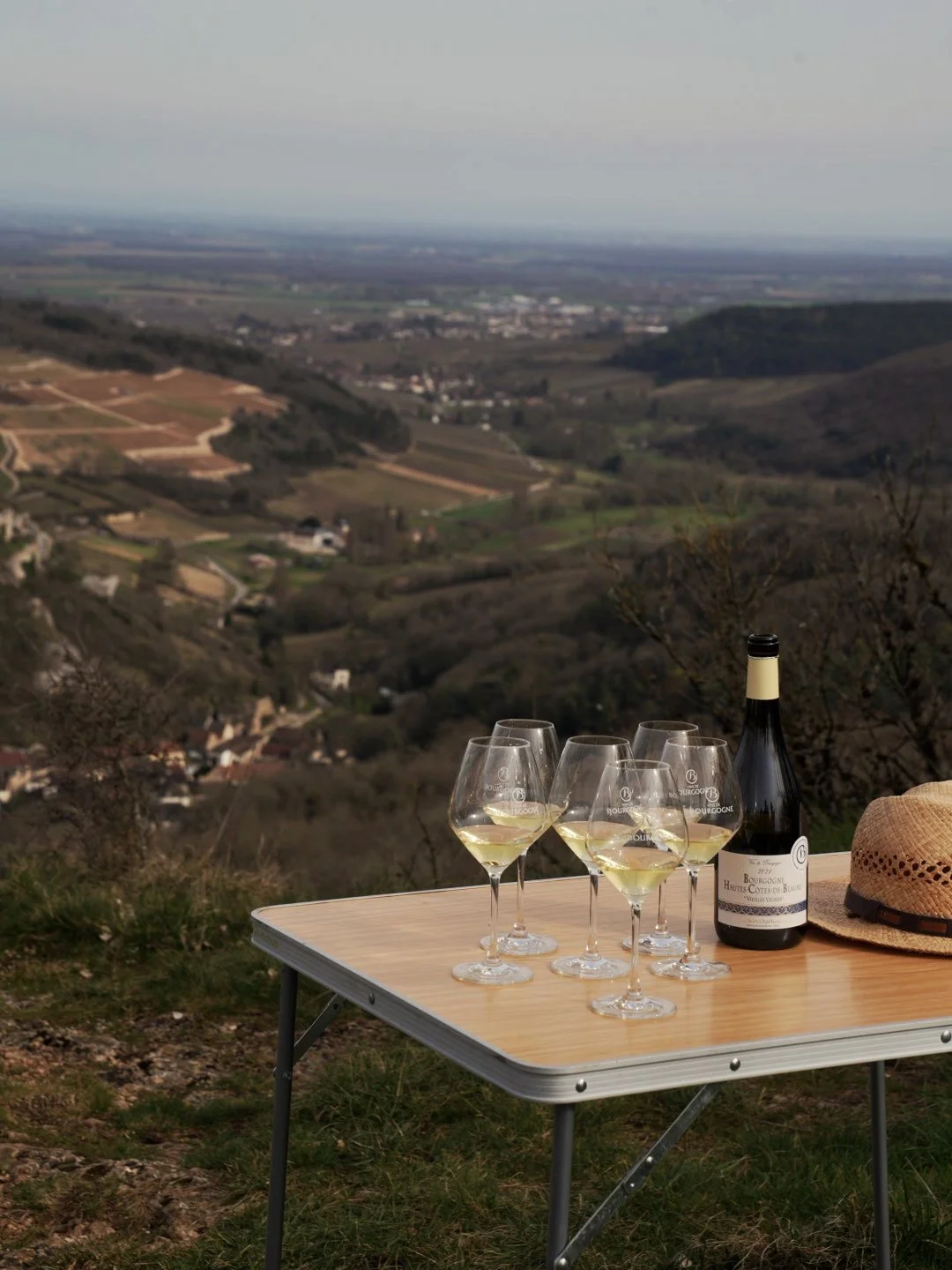
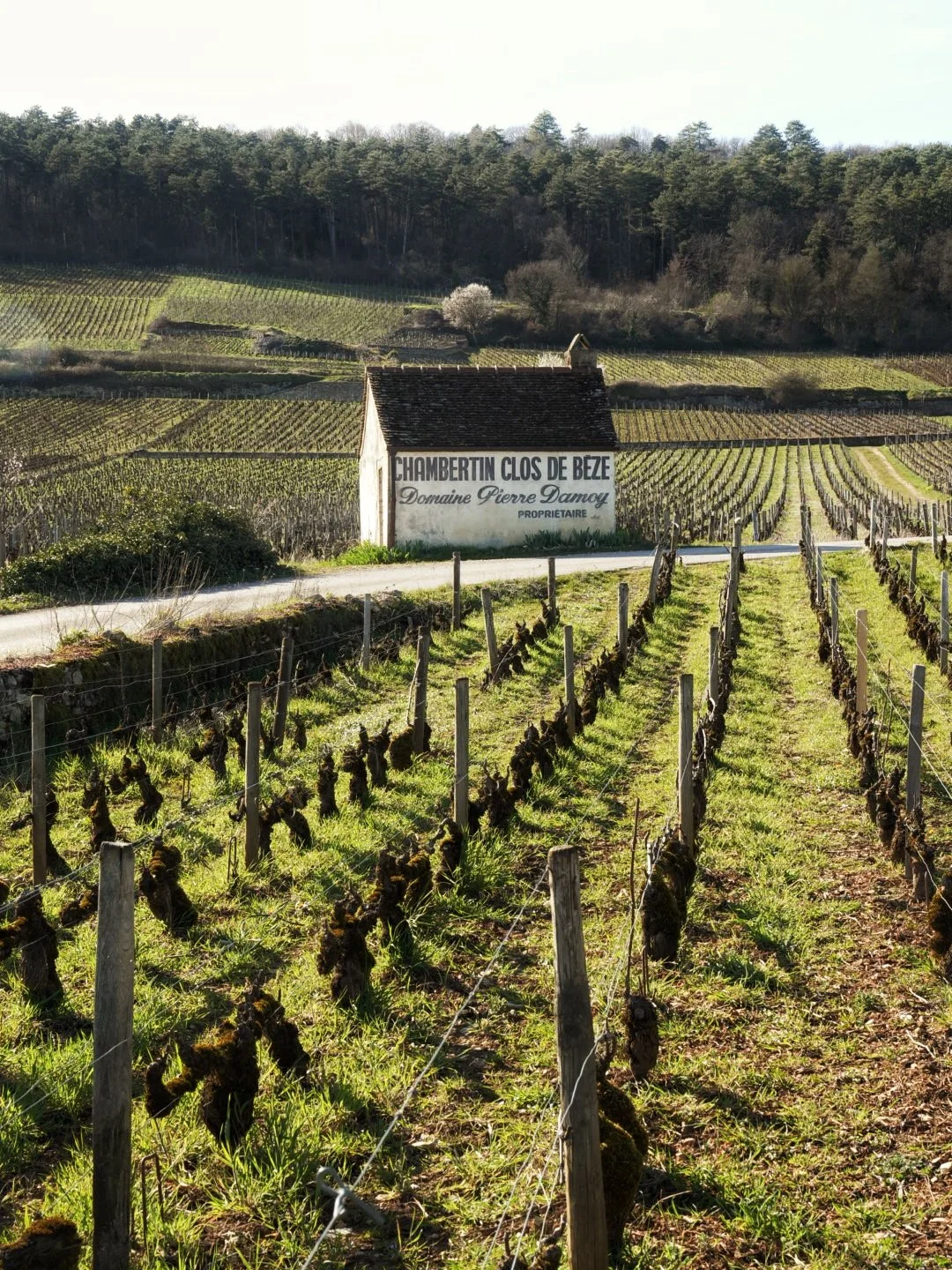
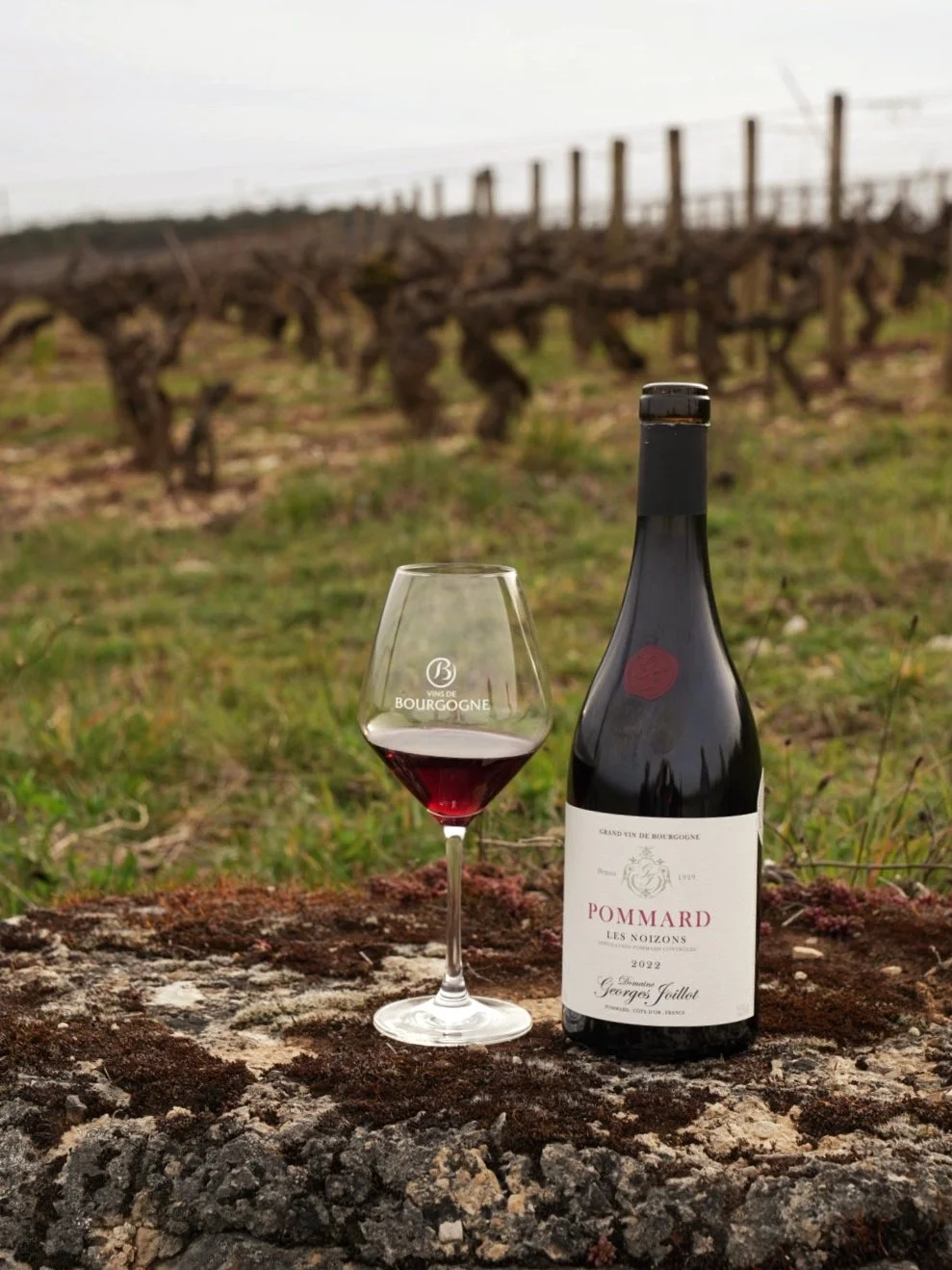
4. Bourgogne has five primary wine-growing areas (not including Beaujolais and Châtillonnais): Chablis, Côte de Nuits, Côte de Beaune, Côte Chalonnaise, Mâconnais
5. All Bourgogne wines are divided into four levels of quality: Grand Cru, Village Premier Cru, Village, and easy drinking Régionale Wines.
6. Crémant de Bourgogne is a sparkling wine made using the traditional method and is characterized by its fine bubbles and delicate flavours.
7. Considering how well known Bourgogne is around the world, the region produces a surprisingly small amount of wine – around 3% of France’s overall wine production.
8. There’d be no Dijon mustard without Bourgogne wine. The capital of the Bourgogne region, Dijon, known for it’s Dijon mustard only became popular in late 19th century when they added verjus to the mustard’s recipe – the juice of unripe grapes obtained from local winemakers.
9. Grand Cru (aka the most expensive wines in the world) only accountable of 1% of Bourgogne wines and only 33 vineyards have the Grand Cru classification where only the name of the Climat (vineyard) is on the label e.g. Romanée Conti and Montrachet
10. Did you know that majority (61%) of wine produced in Bourgogne is white, 27% red and 12% sparkling?


